Ever stared at your bathroom and thought, "This shower just isn’t working for me anymore"? Whether it’s a leaky door, low pressure in the shower head, or outdated tiles, a tired old shower can really let down the rest of your bathroom. But before you dive into the installation process, it pays to understand what’s actually involved.
Getting a new shower installed isn’t as simple as pulling out the old and putting in the new. Each stage plays a critical role, and when something’s missed like waterproofing or an incorrectly placed drain, the consequences can be serious: leaks under the bathroom floor, mould behind the shower walls, or costly repairs down the track.
This guide breaks down the entire process, from planning to the final cleanup. You’ll also get practical shower installation tips and a few common pitfalls to avoid. So, if you’re considering a walk in shower installation or simply upgrading your shower head and panels, this is the place to start.
Pre-Installation Planning
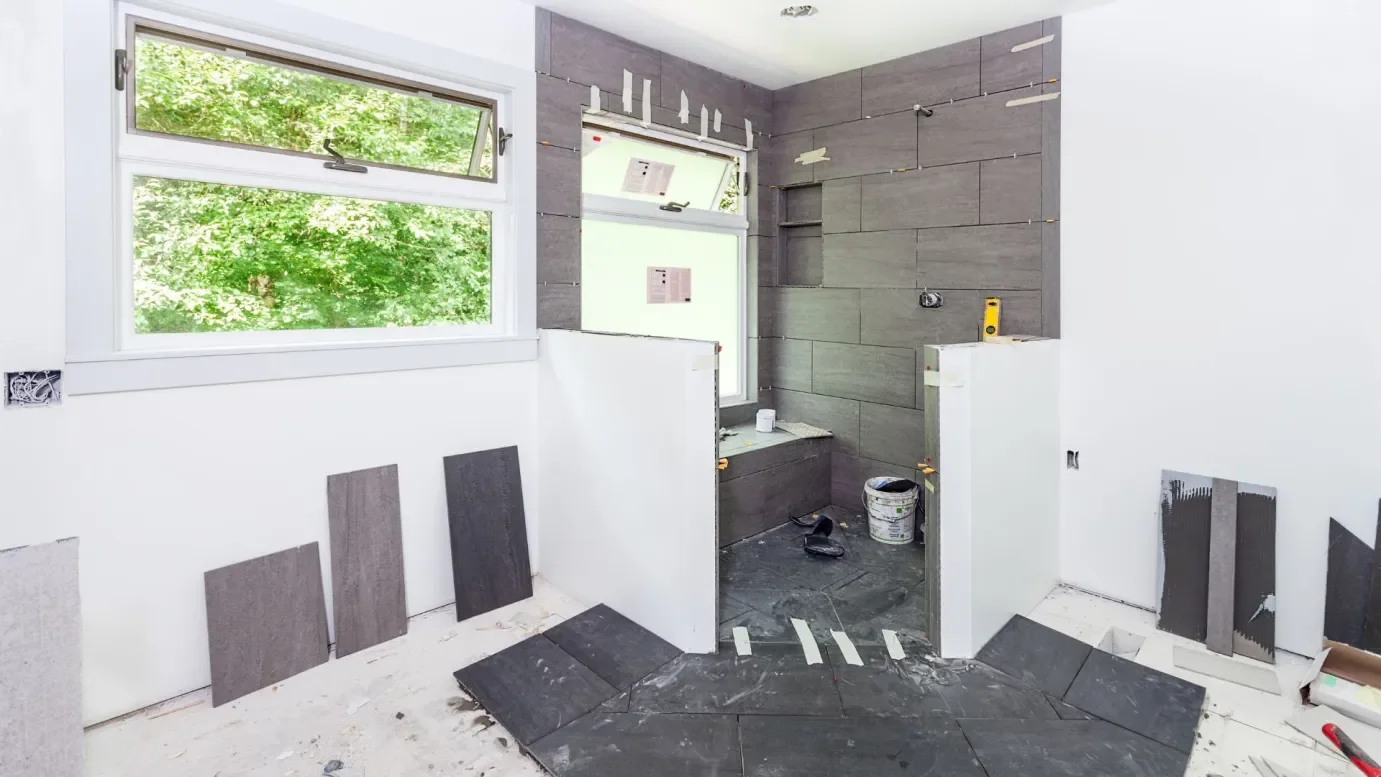
Before touching a tile or cutting into a wall, a proper plan is key to a smooth and successful shower installation. Rushing this stage often leads to complications, extra costs, or having to redo work, something no one wants to deal with.
Choose the Right Type of Shower
Walk in showers are popular for their streamlined appearance and easy access, but they’re not your only option. A corner shower works well in smaller bathrooms, while an over-bath shower suits households that need both a tub and a practical daily shower. Most showers need enough room for the shower door to swing (or slide) without obstruction, so double check your layout.
Review Your Layout and Plumbing Access
Take time to accurately measure the available space. Look at where the pipes currently run and decide if the new shower base and wall panels can fit without relocating plumbing. Shifting pipes or water lines can dramatically increase the cost and complexity of the project.
Consider Water Pressure Compatibility
Every shower head performs differently under various pressure levels. If your system doesn’t deliver enough water pressure, even the most expensive fittings won’t work properly. Likewise, unbalanced hot and cold feeds can cause temperature shocks in the shower. Testing this early helps you choose suitable tapware and avoid headaches later.
Understand Permissions and Paperwork
If you live in an apartment, check with the strata or council before you begin. Some upgrades require official approval, especially if you plan to relocate plumbing or alter the structure of your bathroom walls.
Set a Realistic Budget
Planning costs in advance means fewer surprises mid-project. Factor in not just materials like wall panels, shower base, and accessories, but also the cost of qualified labour, waterproofing supplies, adhesives, and sealants. Don’t forget extras like masking tape, dry-fitting equipment, and any tools you’ll need if taking on part of the job yourself.
Get Professional Input Early
A licensed plumber or experienced installer can help flag issues that DIY guides often overlook. With their help, you’ll avoid common pitfalls and ensure that your plan matches real-world constraints. Solid planning makes the rest of the installation process easier, smoother, and far less stressful.
Site Preparation & Demolition
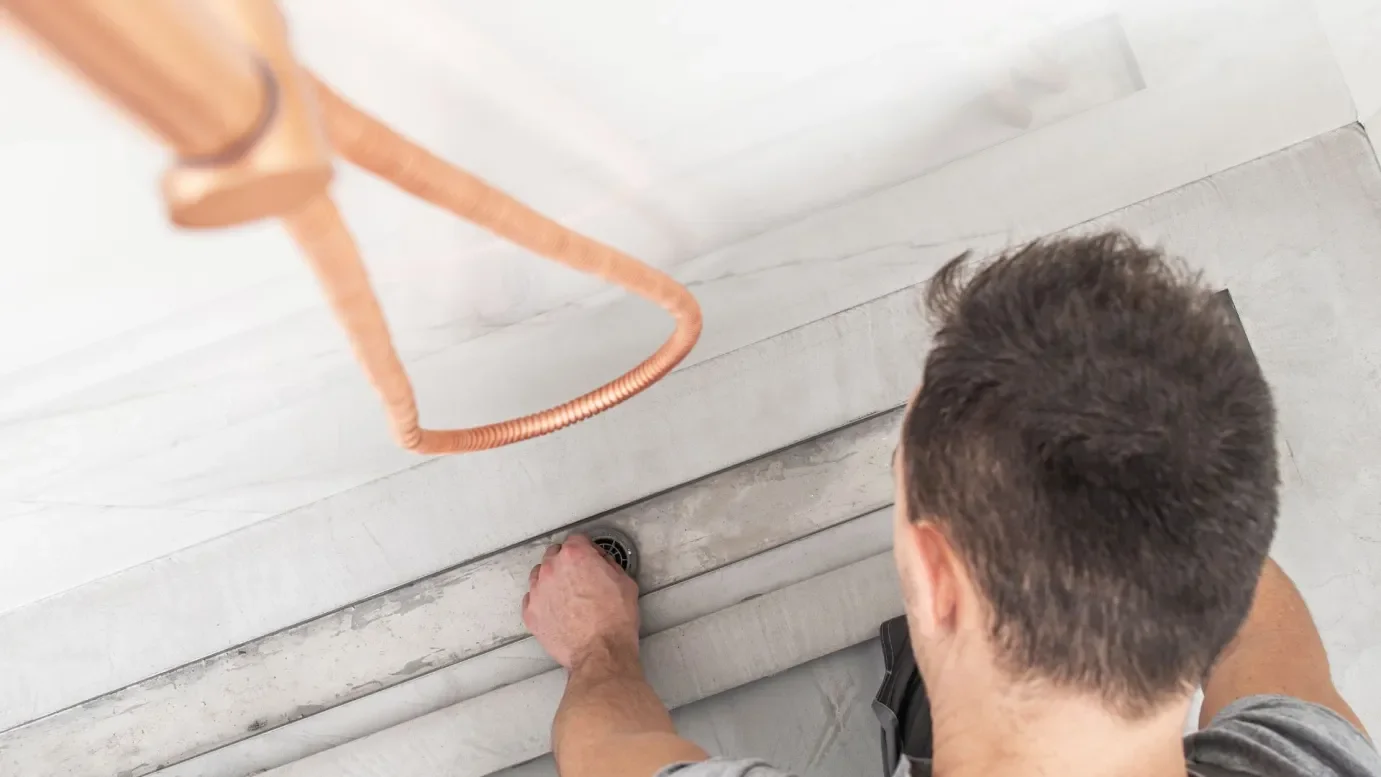
Now it’s time to strip things back. Site prep is messy but vital. It sets the stage for everything that follows.
Start by isolating water and disconnecting the plumbing. Then remove the existing shower or tub carefully, keeping an eye out for signs of damage. Old bathrooms often hide rot, deteriorated pipes, or even asbestos especially behind shower walls or under the bathroom floor.
Once stripped, thoroughly inspect the work area. Prep walls and floors by cleaning off adhesive, removing dust, and using masking tape to mark cut lines or pipe locations. This creates a safe, clean slate for waterproofing and installation.
Don’t: Begin demolition without checking for asbestos or mapping out existing plumbing. It’s not worth the risk.
Plumbing & Drainage Work
This part lays the foundation. If the plumbing doesn’t work properly, the whole shower won’t either.
Plumbers will rough in new water and drain pipes, ensuring everything connects neatly to your shower base. The fall to the waste pipe must comply with the code so water drains efficiently. Poor angles cause pooling and eventual mould.
Hot and cold water lines need to be balanced. This affects pressure, especially with thermostatic shower controls. Once pipes are laid, dry fitting components helps check alignment.
Next, install the mixer boxes, tapware, and test the setup. Pressure testing confirms there are no leaks and all pipes are working properly.
Getting this right protects the structure behind the scenes. When pipes are sealed and supported, the rest of the job can move ahead with confidence.
Waterproofing & Sealing
Now it’s time to stop water in its tracks. Done right, waterproofing prevents future headaches.
A waterproofing membrane is applied to the bathroom floor and up the walls where the shower will sit. This includes sealing around corners, niches, joints, and any spots where you cut holes for pipes or fittings.
Australian Standards require full coverage and a proper curing time. Don’t rush it many DIY guides gloss over this step, but skipping dry time is one of the biggest mistakes. Use masking tape to protect areas that shouldn’t be covered, and always follow the manufacturer’s instructions.
If there’s one step to never skimp on, it’s this. Leaks here don’t just stay in shower—they move under tiles and into the floor below.
Shower Wall & Shower Base Installation
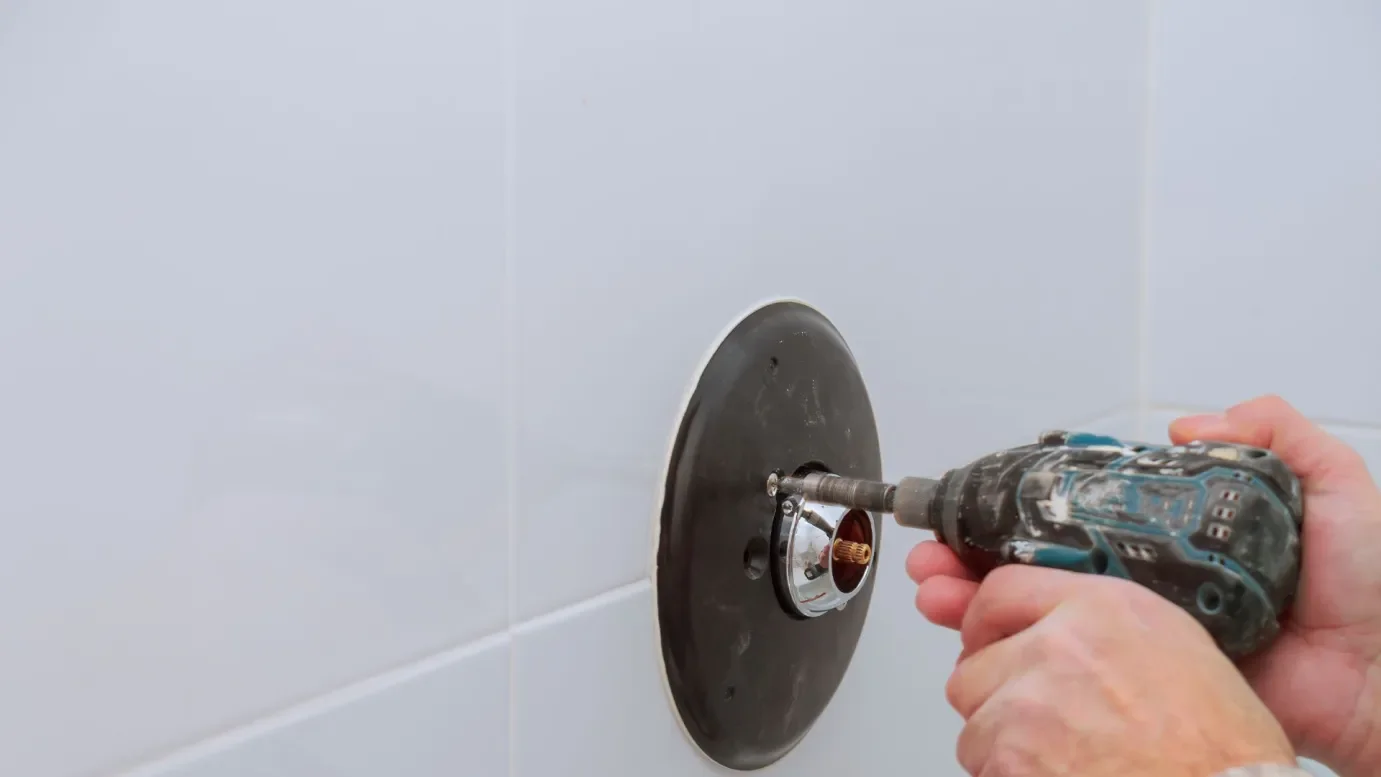
Now the skeleton of your new shower comes together. Precision matters here.
Choose a suitable shower base tile-over-tray for a seamless look, acrylic for easy care, or poured concrete for durability. Measure the space, then lay the base level to avoid future drainage issues.
Wall panels go in next. Cement sheeting or backer boards provide a stable surface, especially for heavy tiles or shower panels. Use water-resistant adhesives and the right screws to securely attach them.
Dry-fitting the panels before final install ensures everything lines up neatly. If the shower walls are uneven, even the best shower door won’t seal properly.
This stage sets the tone for the final look—so take your time and get it right.
Tiling & Grouting
Tiling isn’t just about looks; it’s key to long-term performance.
Choose slip-rated tiles suited for wet areas. Wall and floor tiles should resist moisture and match your style. Lay out your pattern, and use spacers and levelling systems to keep lines even. For corners, cut tiles carefully to avoid gaps and awkward joints.
Grouting comes next. Use waterproof grout and ensure you seal joints with silicone to maintain a watertight seal. Cracked grout is one of the most common causes of leaks in shower areas.
Let everything cure completely before adding fixtures or putting weight on the tiles. It’s tempting to rush—but don’t. This is where patience pays off.
Installing Fixtures & Glass
The finishing touches bring everything together.
Install your shower head, mixer, rail, and any accessories like shelves or footrests. Wall niches should already be waterproofed and ready to go.
Choose a shower door that suits your layout, framed for strength, semi-frameless for a modern look, or frameless glass for an open feel. Use dry fitting again to make sure the glass fits flush with your wall panels. Secure it properly and seal all edges.
A poor-quality install here can ruin the rest. Loose glass or bad seals undo everything you’ve just built.
Final Checks & Cleanup
You’re nearly there but don’t skip the final step.
Pressure test the plumbing again and inspect for leaks around all fittings. Adjust the shower head, test the shower controls, and make sure water flows correctly to the drain pipe.
Clean off any grout haze, silicone smears, or dust. Remove masking tape and hand over care instructions.
Even small oversights now can cause major headaches later, so take this step seriously.
What Can Go Wrong?
Shower installations aren’t always smooth sailing. Here’s what can go wrong:
Weak water pressure due to incorrect pipework
Leaks from poorly sealed wall panels
An uneven base that causes water to pool instead of drain
Misaligned tiles or cracked grout from rushed work
Shower door not closing due to bad measurements
Most of these issues stem from skipping steps or relying on dodgy DIY guides. A professional job might cost more upfront, but it saves stress and fixes down the line.
Make Your Shower Last
A well-installed shower is only the beginning. Regular upkeep ensures your shower stays functional and looking great for years to come.
Reseal Regularly
Every 12 to 18 months, check the silicone and grout in your shower. If they’re cracked or peeling, reseal them promptly to maintain a watertight seal and prevent water from seeping behind tiles or panels.
Clean With Care
Use non-abrasive products to clean your shower head, glass, tiles, and wall panels. Harsh scrubbing agents can damage finishes and lead to premature wear.
Keep Mould at Bay
Don’t ignore small signs of mould or mildew. Catch them early and treat with appropriate cleaners to avoid deeper issues behind shower walls or in grout lines.
Handle With Care
Be gentle with your fittings and shower door. Slamming or knocking the panels can damage seals, glass, or frame alignment, especially in frameless installations.
These small habits help extend the life of your shower and reduce the chance of needing expensive repairs down the track.
Ready to Install Your New Shower? Let’s Make It Easy
Installing a new shower doesn’t have to be overwhelming. With proper planning, the right materials, and expert installation, the result is a stylish and functional space that lasts. Each stage, from selecting the layout and fittings to applying a watertight seal, matters just as much as the final look.
That’s where Woolf Plumbing comes in. Walk-in shower installations are made simple with a professional team that understands how to accurately measure, install, seal, and test every element. Whether you’re upgrading a cramped corner unit or reworking the entire layout, a properly installed shower ensures every component from the drain pipe to the glass door works in harmony.
Avoid the hassle of costly mistakes, dodgy DIY guides, and hidden issues. With expert help, the entire process becomes smoother, faster, and more reliable.
Get in touch today to bring your bathroom vision to life with a shower that’s built to perform, fit your space, and look great doing it.